
Wow, this feels immediate. I was sitting at my kitchen table last week. Thinking about seed phrases and cold storage and how awkward they can be. Initially I thought a paper backup was fine, but then a friend lost access and I watched their entire savings vanish in a single, stomach-dropping afternoon, which changed my view. It made me ask if we could do better.
Here’s the thing. Seed phrases are elegant in theory, familiar in practice. But they demand perfect handling — write them down and keep them safe. On one hand, memorizing a seed protects you from physical theft; on the other, it exposes you to human error, memory lapses, and the kind of complacency that shows up months later when systems change or an emergency arises, which is when humans tend to panic. So alternatives like hardware cards and multi-sig started to interest me more.
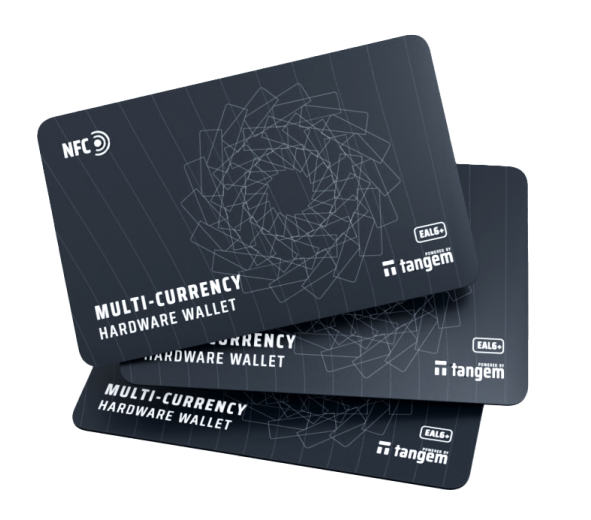
Seriously, this is real. Smart-card based wallets, like the Tangem-style devices, replace a mnemonic with a hardened chip. They store private keys offline and activate only when tapped against a phone or reader. My instinct said these cards were just convenient toys at first, but after testing their resilience to physical stress, software updates, and attempts at extraction by cloning devices, I realized they can be robust and actually simpler for nontechnical users than juggling a paper seed, though that doesn’t mean they’re perfect. They reduce human error and simplify backups for many people.
Hmm… my gut hesitated. There are trade-offs, of course, depending on your threat model and habits. For example, a lost smart card can be fatal if you have no backup method. So I started mapping scenarios: single-user investors, families sharing custody, business treasuries, and casual users who want a one-tap backup for their keys, and each required different approaches and contingency planning. That’s when multisig and redundancy really enter the story.
Whoa, not kidding. Multisig spreads keys across devices, reducing single points of failure. You can pair smart cards with geographic separation or different custody holders. I tested a setup where two Tangem-like cards plus a time-locked third signer kept funds accessible even after one card was misplaced, and the recovery process, while not trivial, was straightforward enough to document for family members. It genuinely felt like real progress for everyday security.
A practical path forward
I’m biased, but the tactile nature of a card matters. Hardware cards reduce the intimidation barrier for new users. A card is tactile, familiar, and it doesn’t look like a hacker toy. Yet the security margin depends on manufacturing trust, secure element quality, firmware update processes, and supply chain integrity, all areas where small players can cut corners or where counterfeit hardware can sneak in, which is why vetting is essential. That particular caveat, honestly, is very very serious for custodial choices.
Wow, unexpected nuance. So I dove into vendor due diligence and threat modeling. Initially I thought big-brand chips were enough, but I revised that view. Actually, wait—let me rephrase that: vendor reputation matters, but independent audits, reproducible firmware builds, and community scrutiny are what ultimately give me confidence that a card won’t silently leak keys or be patched to allow remote extraction. That level of scrutiny, however, isn’t automatic and takes time to verify.
I’ll be honest. Practical recommendations emerged from my hands-on and head-on analysis. If you keep under five figures per single device and pair cards across different locations while documenting a tested recovery plan, smart cards are a compelling seed phrase alternative for cold storage, especially for people who hate cryptic backups and want something physical and simple. Check this out—I’ve also used a tangem wallet in testing. In the end, decide based on your threat model, document every step, test recoveries with low-value funds, and remember that any backup method requires discipline — and yeah, somethin’ about that process still bugs me, but overall I’m hopeful these smart cards make crypto custody more approachable for many.
FAQ
Are smart cards truly safer than seed phrases?
They can be, depending on how you use them. Smart cards remove mnemonic-human error and simplify daily use, but they rely on trusted manufacturing, secure firmware, and good recovery planning. For many users, pairing cards with multisig or geographically separated backups provides a stronger, more usable security posture than a single paper seed — though nothing is foolproof, and testing your recovery is essential.